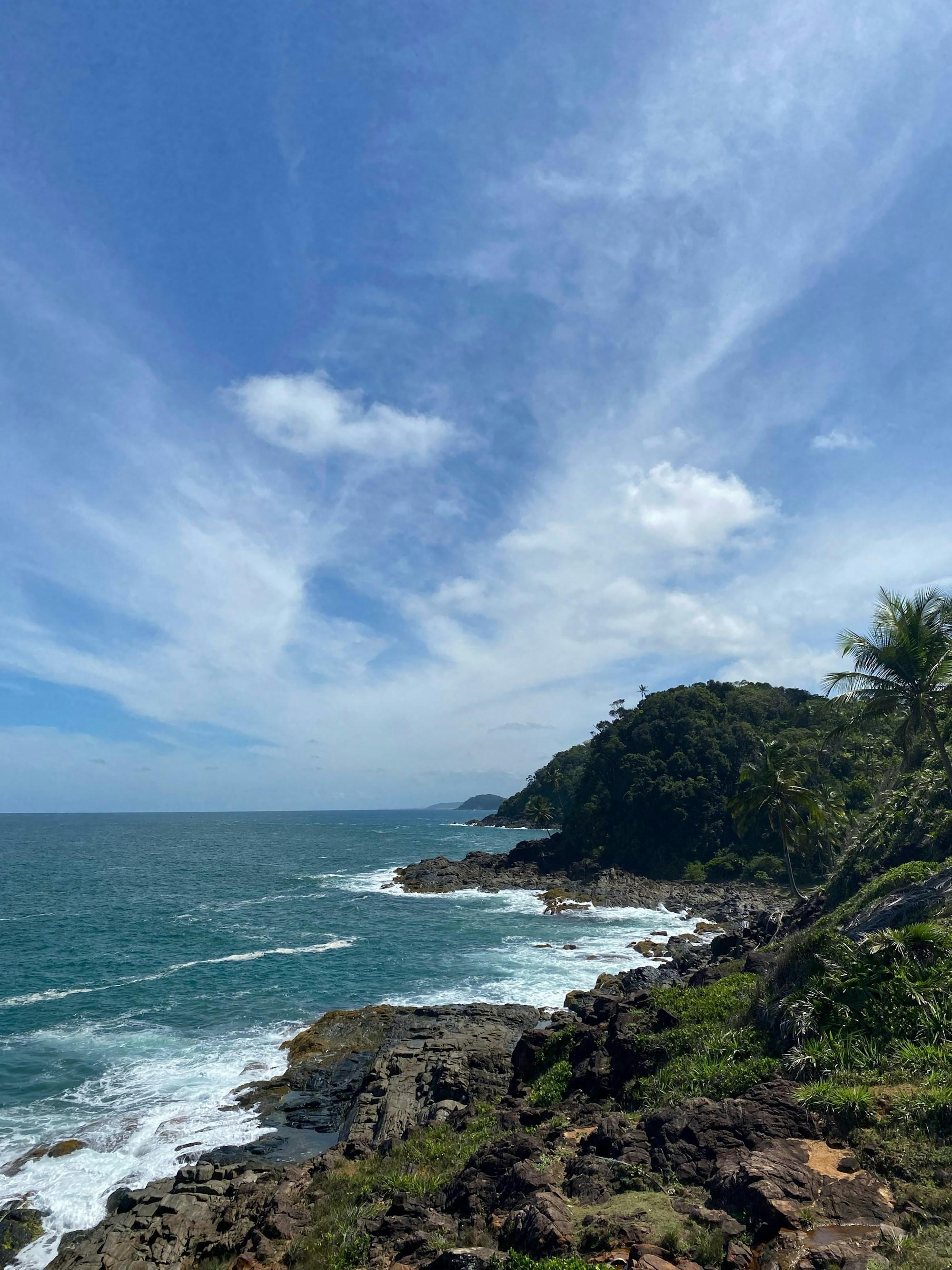
Itacaré or Morro de São Paulo? Choosing between them
The two names everyone weighs up on this coast, and they are less alike than the photographs suggest. What each one is actually for, and why doing both is harder than it looks on a map.
Everything we have written about Itacaré, in the order the questions tend to come up.
Before you book
The two names everyone weighs up on this coast, and they are less alike than the photographs suggest. What each one is actually for, and why doing both is harder than it looks on a map.
The question everyone asks about Brazil and nobody answers straight. What the real risks here are, which ones are overstated, and the one that actually hurts people.
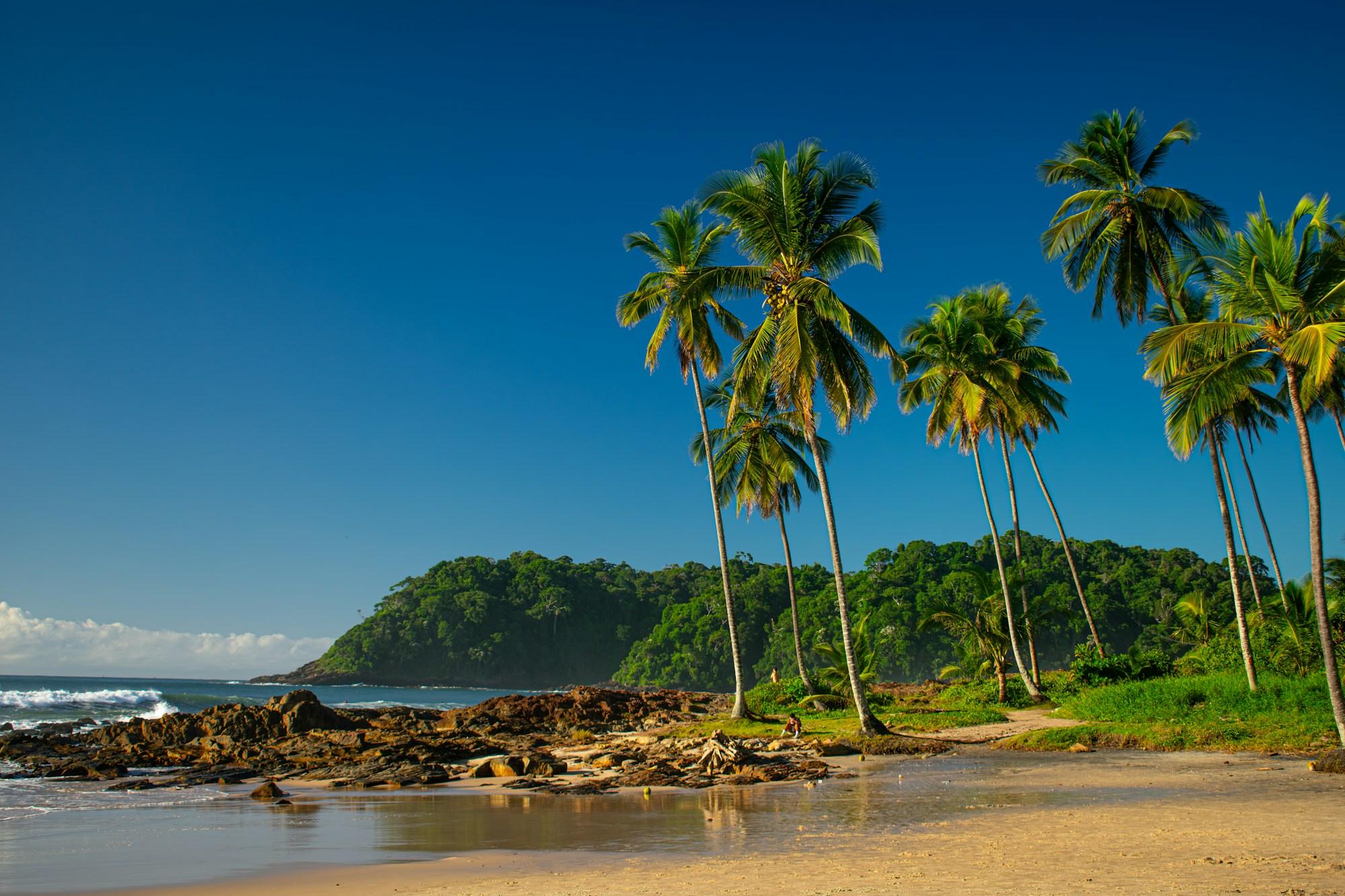
Three days is enough to see why people stay longer. A week is the number the town is built around. What each length of trip actually gets you.
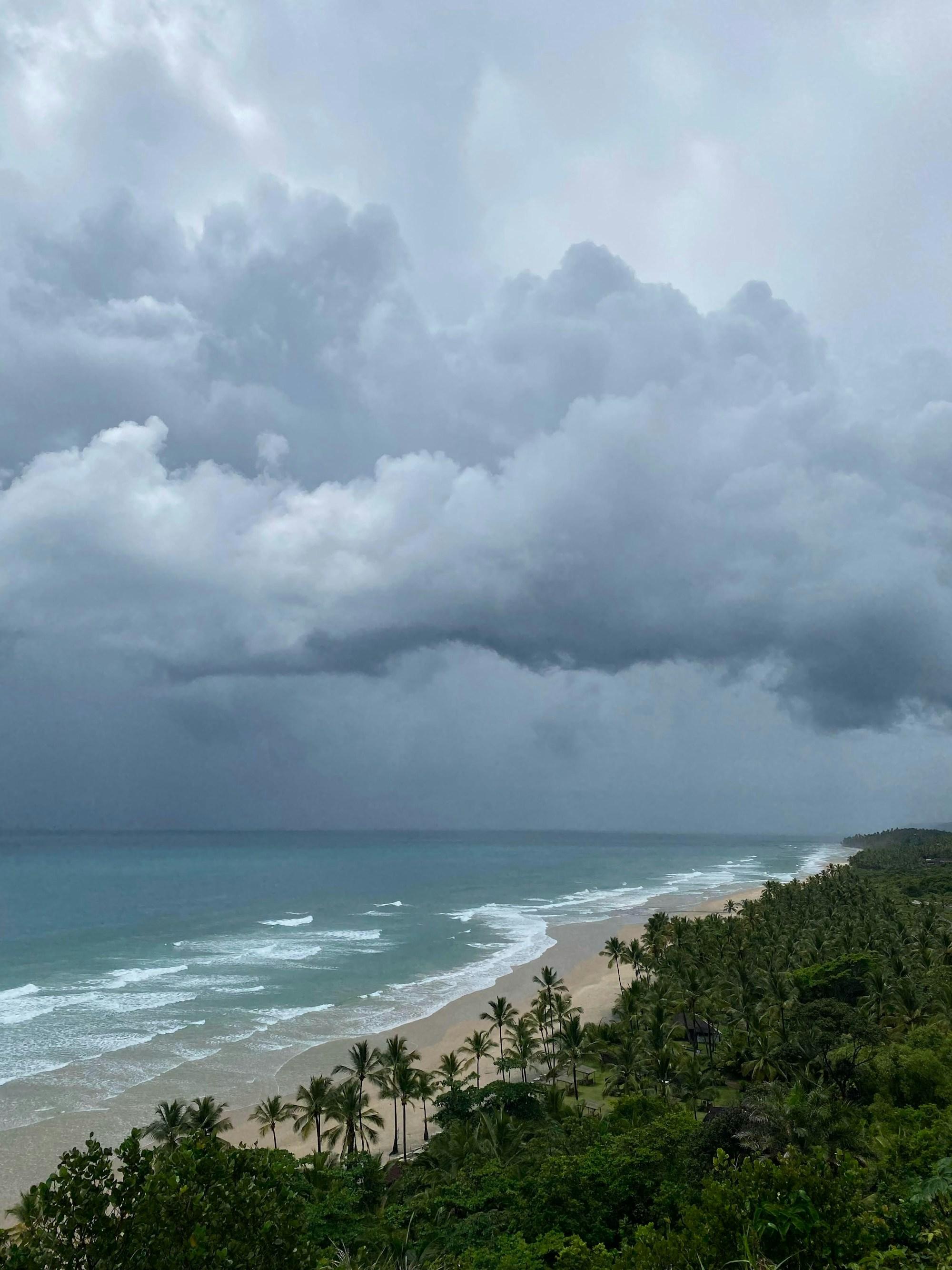
There is no bad month here, but there is a real difference between a quiet town in the rain and a full one at New Year. What each season actually feels like, and which one is yours.
Getting here and getting around
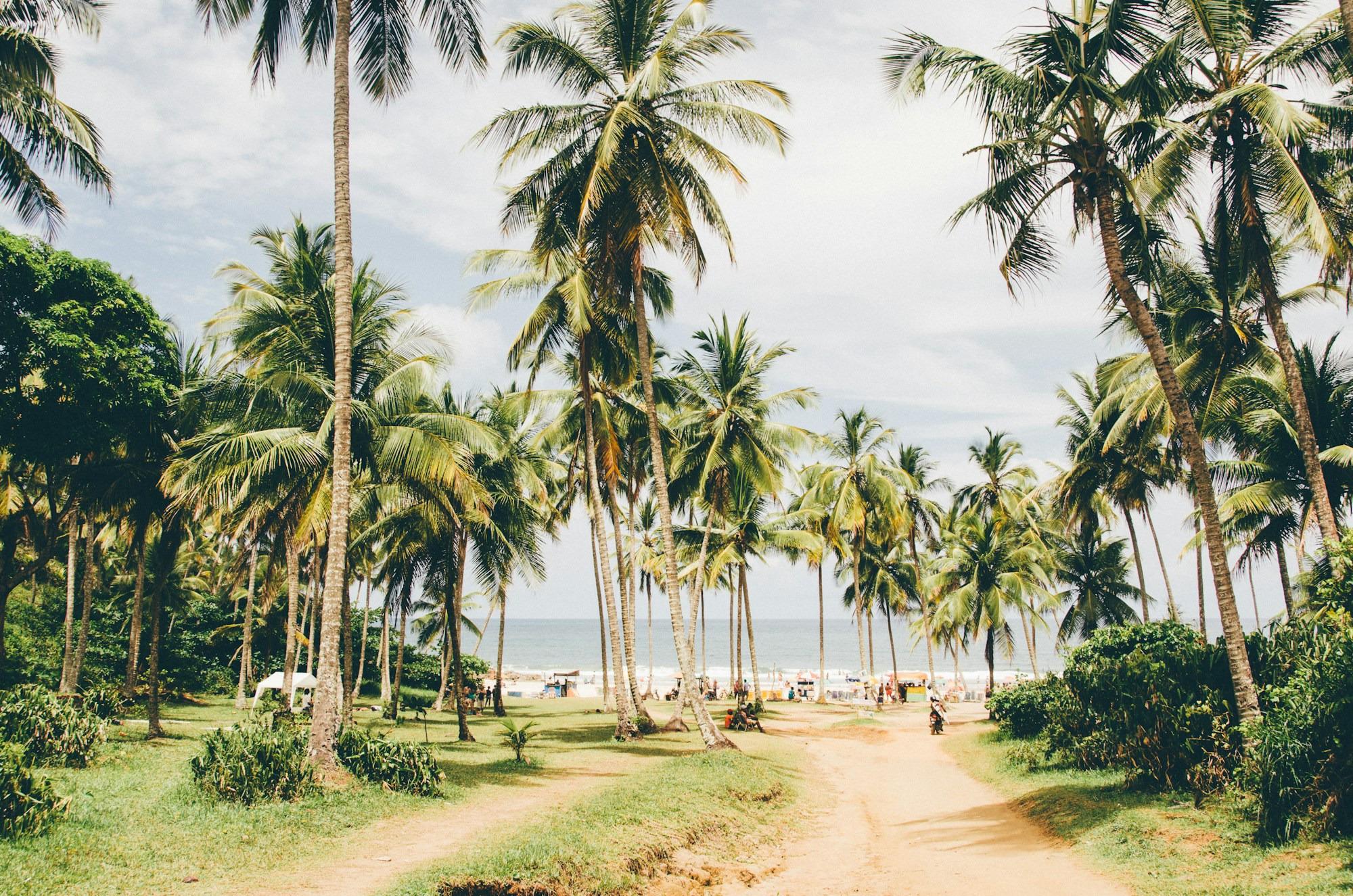
Salvador for international flights, Ilhéus for domestic ones, and why that split is not as clean as it sounds. What each route really costs you in time and money, and how to get from the bus stop to your bed once you are here.
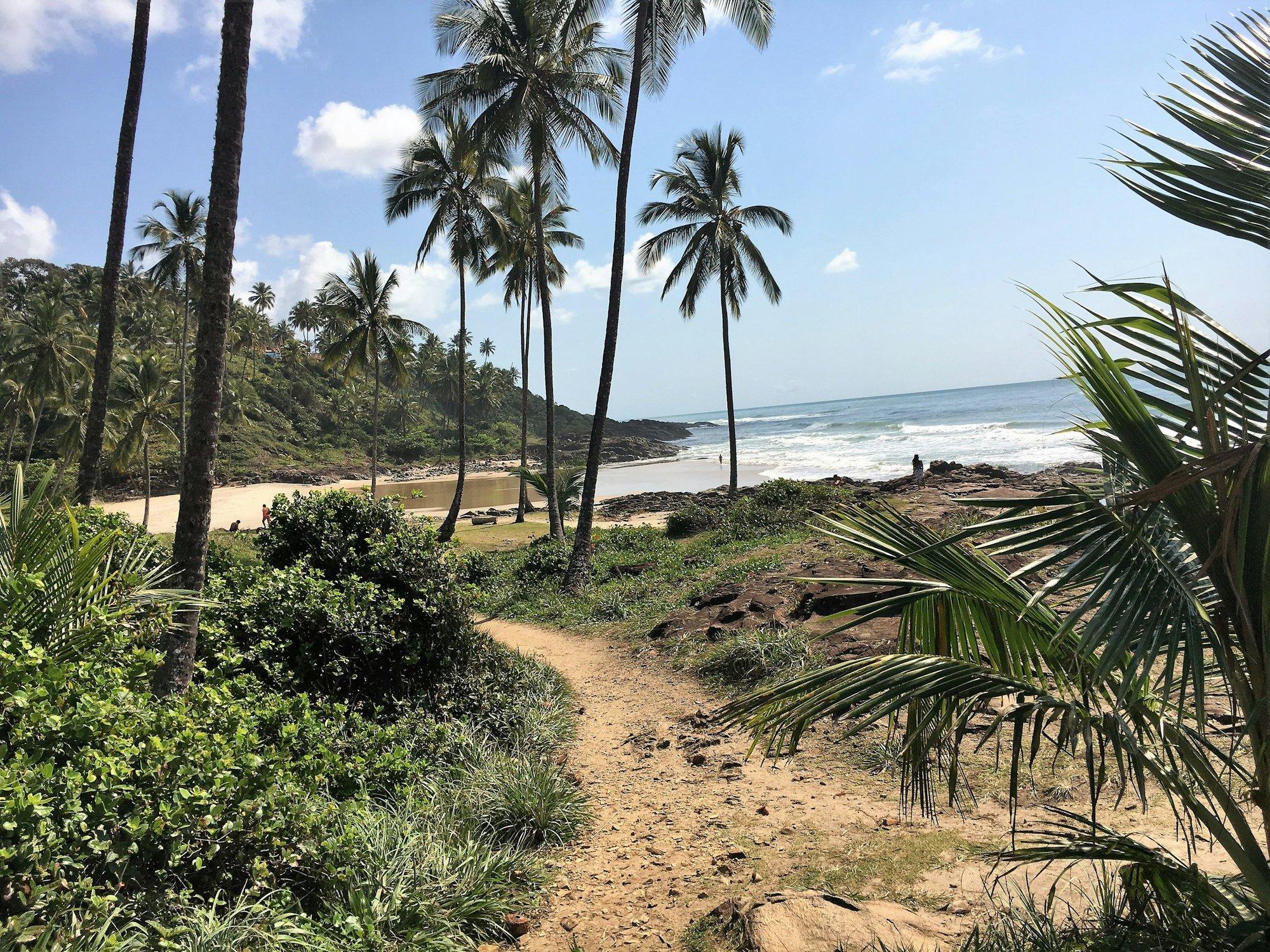
The town is walkable and the good beaches are not. What moves people here, when a car earns its keep, and the one form of transport worth thinking twice about.
Once you are here
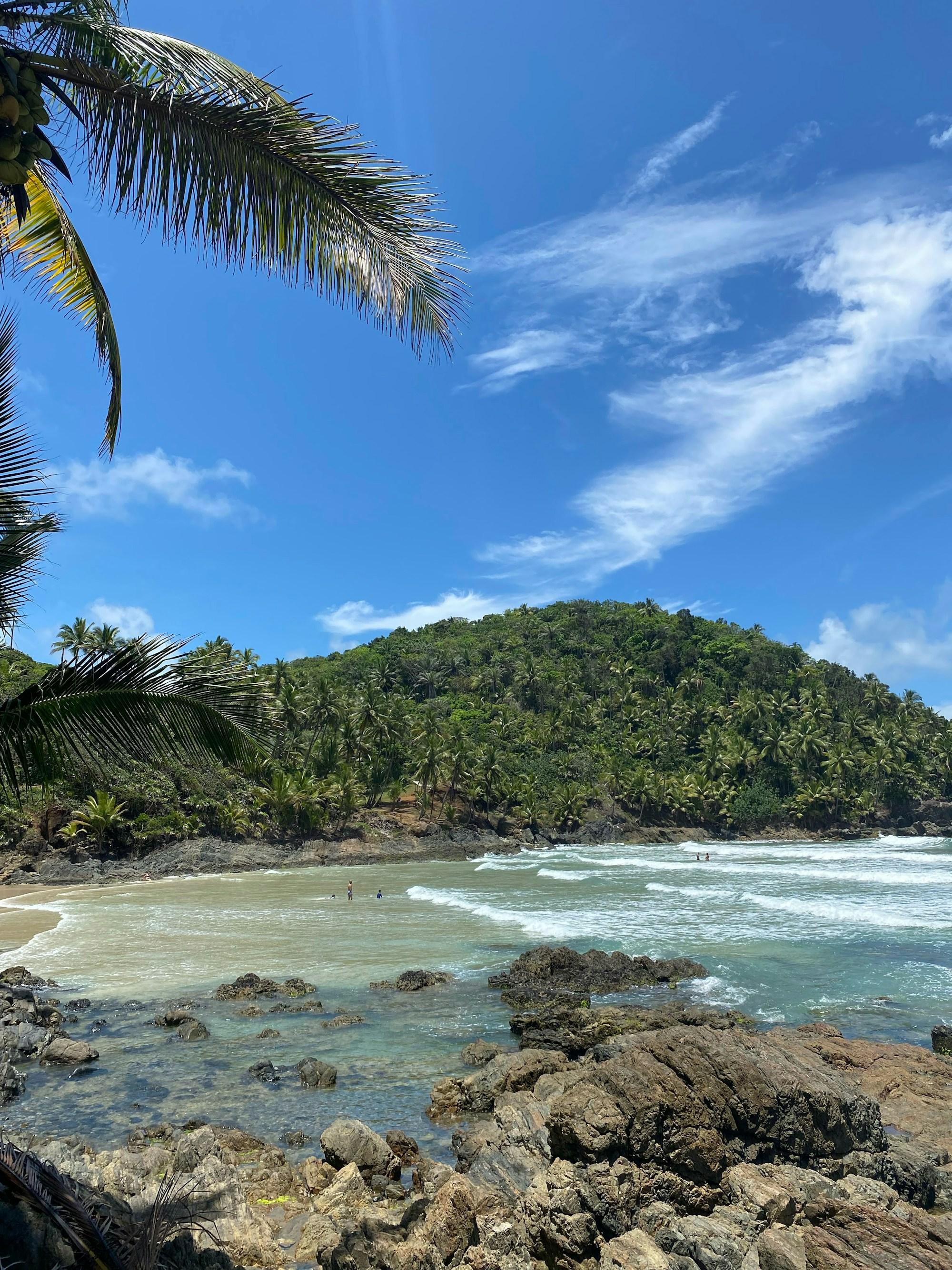
Itacaré's beaches split into two kinds: the ones you walk to in flip flops, and the ones that cost you a trail through the Atlantic forest. Which is which, and which one suits the day you are having.
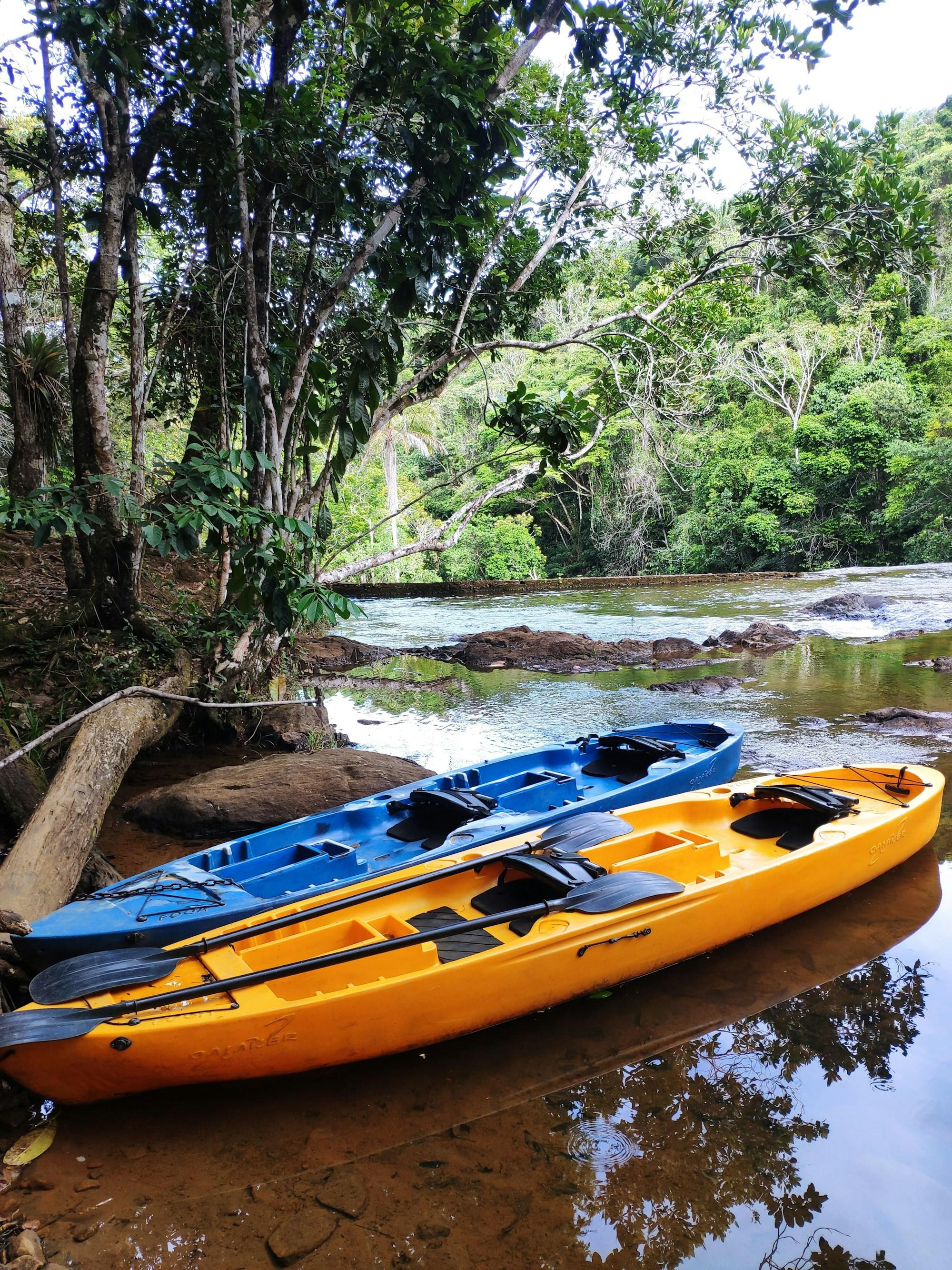
Capoeira on a Monday night, a canoe up the river at sunset, footvolley on Concha, a horse that wades into the sea. The things to do in Itacaré once you have seen the beaches, and where to find each one.
A dozen waves inside twenty kilometres, from a bay where you stand up for the first time to reef that only locals paddle out on. Which one is yours, when it works, and what a board costs.

Half of what makes this coast unusual is behind the beach, not on it. Atlantic forest, cacao under the canopy, and the falls people come inland for.
The town runs on a weekly clock rather than a nightly one. Which nights are worth staying up for, what the music actually is, and where it all happens.
A surf town in the forest is not the obvious family choice, and it works better than it sounds. Which beach, which base, and the two things that catch families out.
More
Most of Itacaré sleeps in pousadas, small guesthouses with breakfast that sit somewhere between a B&B and a hotel. What they are, what they cost, what to ask before you pay, and when booking early stops being optional.
Every restaurant, café, pizzeria and beach bar in the local directory, grouped by what they serve and where they are, with the street and the Instagram for each. A list, not a ranking: nobody from the team has eaten at them yet.
Temperatures, rainfall, rainy days and sea temperature for every month, where the figures come from, and what they feel like on the ground. The numbers behind the choice of when to come.
The quiet village half an hour down the coast road. How far it is and how to get there without a car, what the viewpoint and the beaches are, and whether to make it a day trip or a base.
The peninsula north of Itacaré, with Barra Grande at its tip and the natural pools of Taipu de Fora. The two ways to get there, by dirt road or by boat from Camamu, why the tide decides the day, and whether to go for a day or stay.
Rafting in Itacaré means a morning inland, on the rapids of the Rio de Contas at Taboquinhas. Where it is, how a trip runs, what the river level does to it and how to book.
The public party on the waterfront, the paid ones around it, the white clothes and the seven waves, and why the bed and the transfer are the parts to sort now. Written in November 2026, before this year's programme is out.
Itacaré can be done cheaply, as long as you pick the right weeks. Where the hostels and campsites are, what a bus, a lunch and a board actually cost, and which of the best things in town are free.
The town sits at the mouth of the Rio de Contas and the beaches run south from it in a line. Which ones you walk to, which ones take a trail, which ones need the coast road, and how far each one really is.
Engenhoca, Havaizinho, Camboinha and Itacarezinho, linked by forest paths south of town. Which beaches it covers, how long it takes, whether you need a guide, and how to get to the start and back without a car.